Category: Mental Health

  • My Must-Have Anxiety Essentials: A Survival Guide

    My Must-Have Anxiety Essentials: A Survival Guide

    Embracing Calm: My Go-To Essentials

    When anxiety strikes, having a trusty toolkit is essential. Over time, I’ve gathered a selection of items that help me navigate those tricky moments of stress. Let me share my favorites with you, so you can build your own anxiety essentials compilation.

    Sleep Better with Nodpod & Weighted Lap Blanket

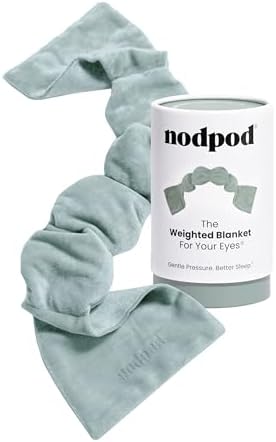
    First up is the Nodpod Sleep Mask. It’s a game-changer! This weighted eye mask blocks out distractions, setting the stage for blissful, uninterrupted sleep. Pair it with the Cottonblue Weighted Lap Blanket (7lbs for added comfort), and you’ll feel yourself unwinding and melting into a serene state.

    Stay Zen with Calming Accessories

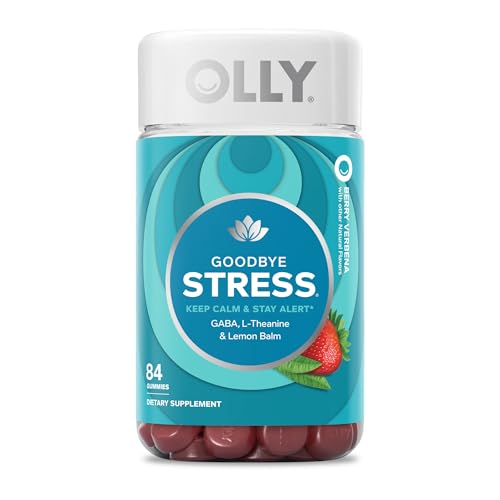
    Stressful situations? No problem! I rely on Olly Goodbye Stress Gummies to manage the day-to-day pressures. And for those louder environments, the Loop Engage 2 Ear Plugs are a must-have for escaping noise, especially in busy restaurants.

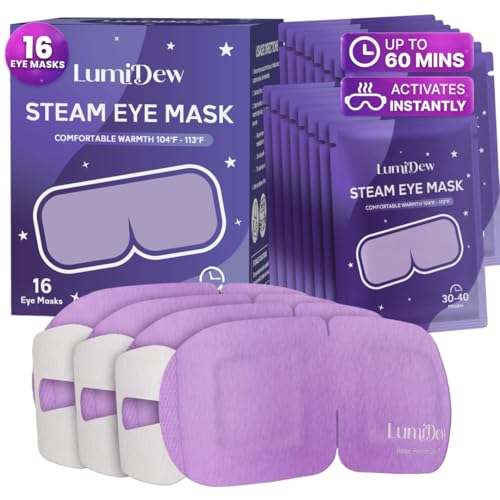
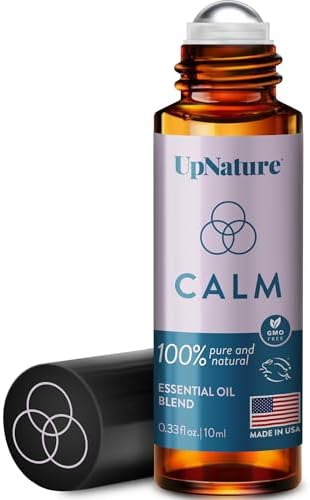
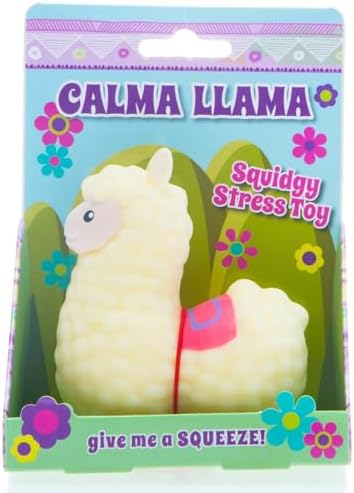
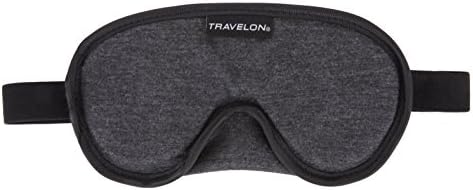
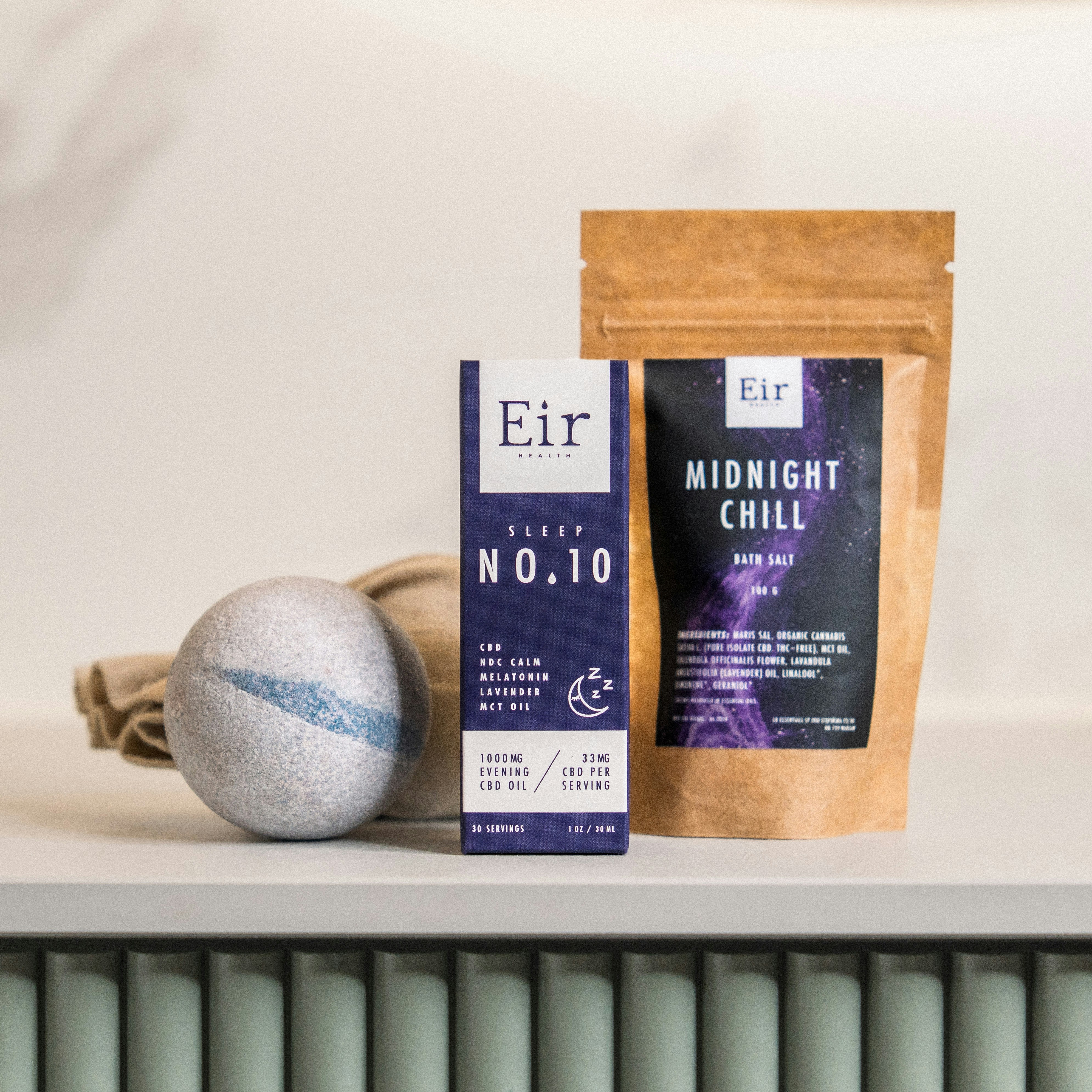
    To enhance relaxation even further, I carry my Calma Llama everywhere, along with the Upnature Calm Essential Oil Roll On. A dab behind the ears works wonders! Finally, the Lavender Headed Steam Eye Mask is fantastic for soothing tired eyes, reinforcing my peaceful atmosphere.

    Don’t forget the nifty Sensate Relaxation Device for those moments when you need to really reclaim your calm. These essentials not only help me in the thick of anxiety but promote a more peaceful daily experience. So what are your anxiety essentials?

  • Finding Calm Amidst the Chaos: Overstimulation and My Top Headphone Picks for Noise Reduction

    Finding Calm Amidst the Chaos: Overstimulation and My Top Headphone Picks for Noise Reduction

    Understanding Overstimulation

    Overstimulation refers to the condition in which an individual is exposed to stimuli from their environment that is overwhelming, leading to a state of sensory overload. This phenomenon can manifest in various forms, including excessive noise, bright lights, or even crowded spaces. The impact of overstimulation can be significant, particularly in our fast-paced modern world where constant stimulation is commonplace.

    Individuals experiencing overstimulation often report a range of symptoms, including heightened anxiety levels, chronic fatigue, and challenges with concentration. For instance, a loud and bustling environment may trigger feelings of panic, making it difficult for an individual to focus on tasks or engage in meaningful conversations. The brain, overwhelmed by competing sensory signals, struggles to process information, leading to diminished cognitive performance and emotional well-being.

    Coping with the effects of overstimulation is crucial for maintaining mental health. Many individuals find that implementing regular breaks from noisy environments or reducing sensory input can greatly alleviate symptoms of stress and anxiety. Techniques such as deep breathing exercises, mindfulness practices, and the use of noise-cancelling headphones are commonly recommended strategies aimed at mitigating the impact of overstimulation.

    This discussion about overstimulation highlights the need for effective coping mechanisms in the face of sensory overload. As we explore personal experiences in subsequent sections, it becomes evident that finding that sense of calm amidst the chaos not only improves focus but enhances overall quality of life. Addressing overstimulation is not merely beneficial; it is essential for the mental clarity that many seek in today’s constantly evolving world.

    My Personal Battle with Noise and Overstimulation

    Throughout my life, I have encountered various situations where external noise has significantly impacted my mental well-being. From bustling city streets to crowded workspaces, the relentless cacophony of everyday sounds often becomes overwhelming. I found that these auditory distractions could trigger feelings of anxiety and distraction that made focusing on my tasks impossible. There was a time when I regarded these noises as just part of life, but as I began to prioritize my mental health, I recognized the detrimental impact they were having on my peace of mind.

    In particular, I vividly remember a day when the sound of construction work outside my apartment drowned out my thoughts as I attempted to work on an important project. The discordant clangs and thuds invaded my cognitive space, leading to a simmering frustration. In that moment, I realized that noise could easily infiltrate my mind, leaving little room for clarity or creativity. This experience galvanized my desire to explore tools that could help me manage the chaos.

    It was through this journey that I discovered the profound benefits of noise reduction headphones. Initially, I thought of them as a luxury accessory, but over time, they metamorphosed into an essential tool for me. With the world muffled around me, I found it more manageable to retreat into my thoughts and be present in the moment. Whether I was working from home, traveling, or simply seeking refuge in my own thoughts, these headphones became a sanctuary amidst the noise.

    As I navigated this path toward inner tranquility, I learned the importance of quieting the outside world. The headphones provided a mechanism for reducing overstimulation and allowed me to reclaim my mental space, ultimately fostering a calmer, more focused existence. Discovering the right pair of headphones not only improved my daily productivity but also contributed enormously to my overall sense of well-being.

    Lofi Beats and Bilateral Sounds: My Preferred Audio Experience

    In today’s fast-paced world, managing overstimulation has become a critical aspect of maintaining mental well-being and focus. For me, the soothing soundscapes of lofi beats and bilateral sounds provide an essential auditory sanctuary. These genres have carved a significant niche in my daily routine, serving as both a backdrop for relaxation and a framework for enhanced concentration.

    Lofi beats often feature a blend of soft instrumentals, gentle rhythms, and soft vocal samples that combine to create a tranquil atmosphere. This unique auditory experience helps to drown out the chaos that often surrounding us, promoting a state of calm and mindfulness. Research suggests that music, particularly those with steady tempos, can lower anxiety levels and enhance cognitive performance. As I immerse myself in the steady rhythms of lofi beats, I find they help me fend off distractions and maintain a composed mind.

    Additively, bilateral sounds, a technique that involves delivering audio signals to both ears alternately, play a significant role in achieving mental clarity. These sounds often manifest in various formats, including binaural beats or audio tapes designed to promote relaxation and focus. Experiencing these sounds creates a unique auditory environment that can enhance creativity and cognitive capabilities. For anyone seeking to establish a reprieve from overstimulation, the subtle yet profound impact of bilateral sounds is invaluable.

    Incorporating these audio genres into my daily life has empowered me to cultivate an internal atmosphere conducive to productivity. The therapeutic benefits of lofi beats and bilateral sounds serve as a reminder that, even amidst chaos, it is possible to find clarity and tranquility. By leveraging these musical tools, I am better equipped to navigate the overwhelming stimuli of modern living.

    Top 5 Headphones for Blocking Out Noise

    In the journey towards finding calm amidst chaos, selecting the right headphones can greatly enhance one’s listening experience, especially for lofi and bilateral sounds, which are particularly effective in combating overstimulation. Here are my top six headphone picks that excel in noise reduction, comfort, and sound quality.

    1. Bose QuietComfort 35 II – Renowned for their exceptional noise-cancelling capabilities, these headphones create a serene auditory environment. The plush ear cushions provide comfort for extended use, while the balanced sound profile enhances the listening experience across various genres.

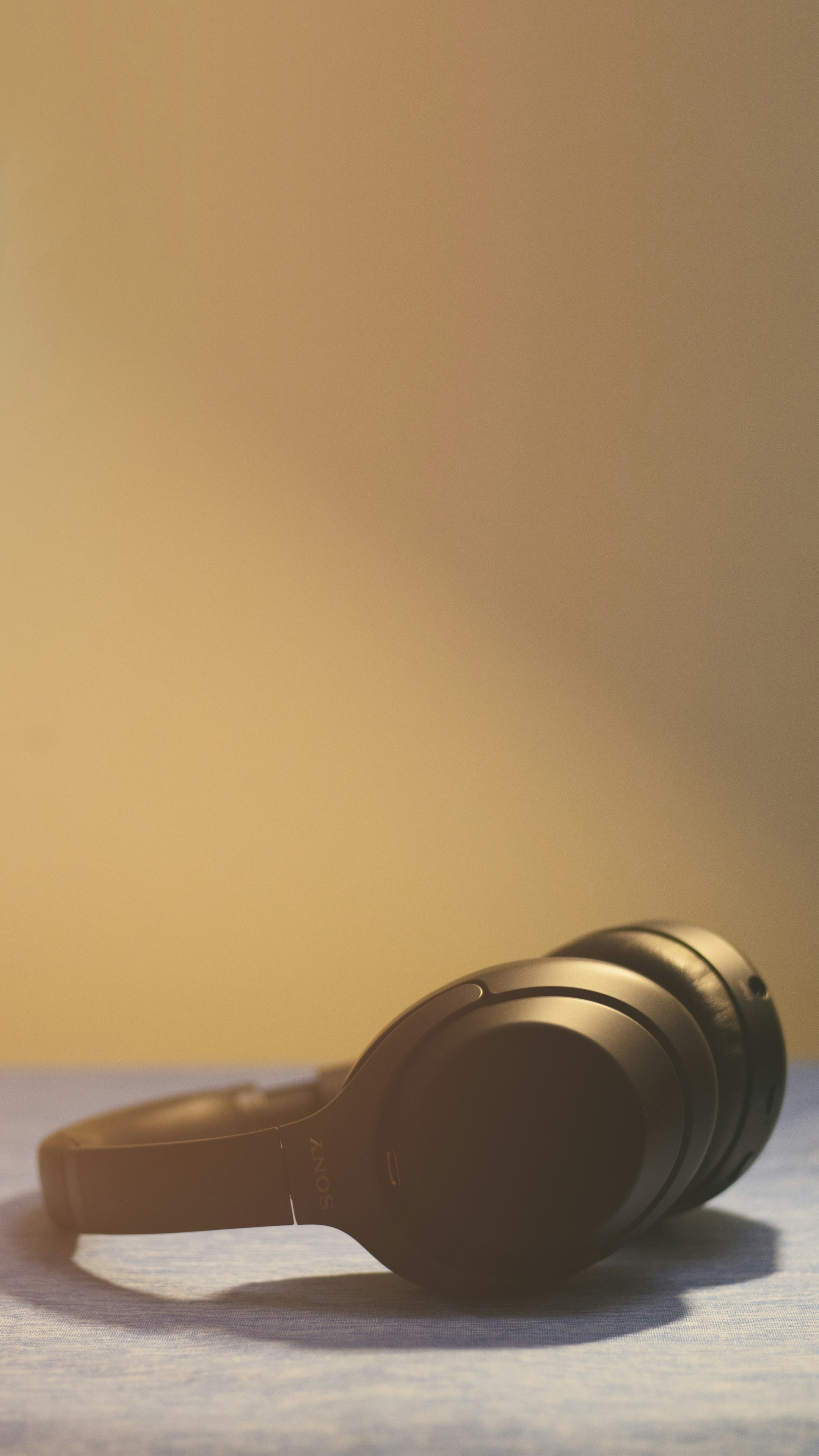
    2. Sony WH-1000XM4 – Often regarded as a benchmark in headphone technology, these models offer adaptive sound control that adjusts noise cancellation based on your surroundings. They deliver high-resolution audio with a rich, immersive soundstage suitable for lofi tracks.

    3. Sennheiser HD 450BT – With a focus on long battery life and effective noise cancellation, these wireless headphones are a great choice for prolonged listening sessions. They offer a dynamic audio performance that brings out subtle details in each sound, perfect for soothing lofi beats.

    4. Apple AirPods Max – Featuring computational audio and active noise cancellation, these headphones ensure optimal sound quality. The comfortable knit mesh canopy and memory foam ear cushions provide an excellent fit, suitable for extended listening sessions.

    5. Jabra Elite 85h – Known for their smart noise cancellation technology, these headphones adapt to your environment effectively. They provide impressive sound quality, making them suitable for immersive listening experiences, especially with bilateral sounds.

    In conclusion, the right headphone choice can significantly influence your ability to manage overstimulation. Each of these recommendations caters to different preferences while ensuring a peaceful auditory experience.
  • For My High Anxiety Days: These Got Me Through My Hardest Days

    For My High Anxiety Days: These Got Me Through My Hardest Days

    Fidget Toy/Ring: A Simple Distraction

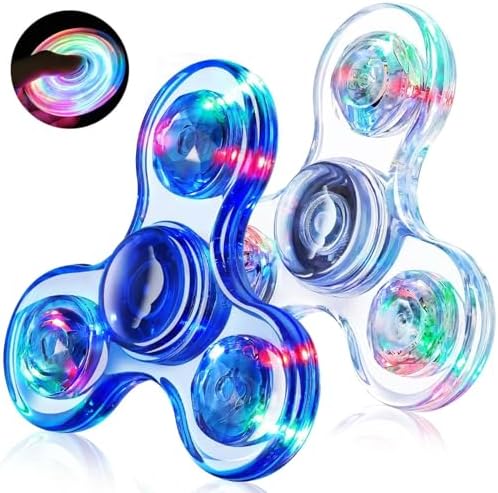
    In the realm of coping mechanisms for high anxiety days, fidget toys and fidget rings emerge as valuable tools for those seeking relief. These small, often tactile items serve a dual purpose: providing a physical distraction while channeling excess nervous energy into constructive actions. The simple act of manipulating a fidget toy can be remarkably soothing, redirecting one’s focus away from spiraling thoughts and towards a more calming sensory experience.
    Different individuals find solace in various forms of fidget tools. For instance, some prefer the subtlety of a fidget ring, which can discreetly be spun or twisted during stressful moments. This can be particularly beneficial in public settings where visibly fidgeting may attract unwanted attention. Conversely, others might find comfort in classic fidget toys like stress balls or kinetic sand, which allow for more pronounced tactile engagement. My personal experience with a particular fidget ring stands out; during a particularly anxious episode, its smooth, textured surface provided a grounding sensation. By focusing on the ring, I felt a gradual release of tension, exemplifying how such tools can become anchors in moments of distress.

    Furthermore, the science behind fidgeting supports its efficacy. Research indicates that fidgeting can help stimulate the brain, increase focus, and reduce anxiety symptoms. Whether through squeezing, rolling, or spinning, fidget toys allow for an outlet to manage restlessness effectively. By integrating fidget toys into daily routines, individuals often report feeling more empowered and in control during moments of anxiety.

    Ultimately, fidget toys and rings are not just whimsical novelties; they are practical resources that individuals can utilize to navigate their anxiety. As simple distractions, they provide essential relief on high anxiety days, proving that even small tools can have a significant impact on well-being.

    Acupressure Mat: Finding Relief in Pressure Points

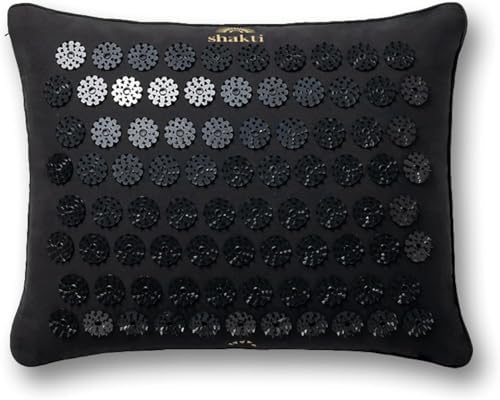
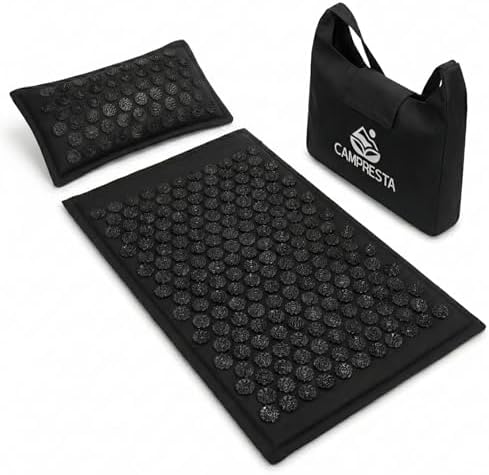
    An acupressure mat, a simple yet effective wellness tool, can be a valuable addition to anxiety management strategies. Its surface is typically covered with thousands of small, plastic spikes that mimic the effects of acupuncture by stimulating specific pressure points on the body. When lying on this mat, the body comes into contact with these spikes, encouraging a natural response that promotes relaxation and stress relief.

    The act of lying on an acupressure mat can lead to a variety of physiological benefits. As pressure is applied to certain points, endorphins are released, which act as natural painkillers and mood enhancers. This process not only reduces tension in the muscles but also has the potential to calm a racing mind—an essential aspect when managing anxiety. The gentle stimulation from the spikes provides a unique sensation that can draw attention away from stressful thoughts and contribute to a more tranquil mental state.

    In my experience, integrating the use of an acupressure mat into my routine has been a game-changer on particularly overwhelming days. When I find myself grappling with high anxiety, spending even a brief period on the mat allows me to disconnect from the whirlwind of thoughts. The concentrated pressure on my back fosters a sense of grounding and centeredness. This simple self-care ritual has proven to be a sanctuary, creating a space where I can breathe deeply and allow my thoughts to settle.

    Ultimately, an acupressure mat serves not just as a physical tool for relaxation but as a reminder of the importance of listening to our bodies. As we navigate the complexities of daily life, incorporating such practices can pave the way toward a healthier relationship with our mental well-being.

    Essential Oils Diffuser: Scenting Your Space for Calmness

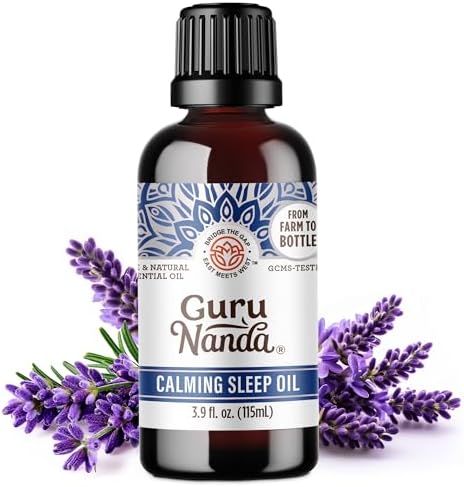
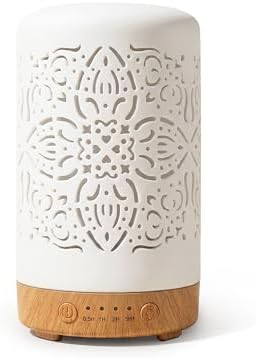
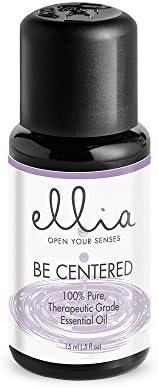
    Aromatherapy, particularly through the use of an essential oils diffuser, has gained recognition as an effective method for promoting mental well-being, especially during high anxiety days. The calming scents emitted from essential oils can significantly shift one’s mood, providing relief from stress and anxiety. Essential oils like lavender, chamomile, and bergamot are commonly known for their soothing effects and are often incorporated into diffusers to create a relaxing environment.

    Lavender oil is heralded for its ability to promote relaxation and reduce anxiety. Research indicates that inhaling lavender can lower heart rate and blood pressure, inducing a state of calm. On days when my anxiety feels overwhelming, I often turn to lavender essential oil, and its presence in my living space works wonders on my mental state.

    Chamomile oil is another noteworthy essential oil that offers calming properties. The gentle, floral scent of chamomile can help ease feelings of tension and nervousness. I have found that diffusing chamomile not only helps me relax but also improves my overall mood, making it an essential part of my emotional toolkit during difficult days.

    Bergamot essential oil, with its citrusy aroma, may seem invigorating, yet it’s well-regarded for its anxiety-relieving properties. It is often recommended for reducing feelings of stress, and using it in a diffuser has noticeably helped uplift my spirits. Incorporating a blend of these oils in the diffuser can create a harmonious atmosphere, tailored to my preferences while effectively combating anxiety.

    Overall, utilizing an essential oils diffuser has been an impactful strategy for managing anxiety. The calming scents not only enhance the ambiance of my space but also foster a sense of tranquility that is vital during stressful times.

    Stress Relief Putty: Molding Your Worries Away

    In the realm of anxiety management, tactile tools have gained popularity for their ability to provide a grounding sensory experience. One such tool is stress relief putty, a versatile product designed to assist individuals in managing high anxiety days. Manipulating this malleable substance offers a unique sensory experience that not only distracts from anxious thoughts but also promotes mindfulness by encouraging users to focus on the physical act of molding and shaping the putty.

    The benefits of stress relief putty extend beyond mere distraction. Engaging with putty can stimulate dopamine release, a neurotransmitter associated with feelings of pleasure and reward. This physiological response can help alleviate stress while simultaneously providing a sense of comfort during overwhelming moments. As it allows users to explore various textures and shapes, this tactile interaction can establish a connection to the present moment, effectively grounding individuals and reducing their anxiety levels.

    Many individuals who have incorporated stress relief putty into their anxiety management toolkit report positive experiences. For instance, Emma, a long-time user of the material, shares, “The first time I tried stress relief putty, it was like a weight had been lifted off my shoulders. Just squeezing and shaping it helped me focus on something other than my thoughts.” Similarly, Ryan states, “I love using putty during long meetings or while studying. It keeps my hands busy, so my mind can relax. My favorite brand is the ‘Therapy Putty’ because of its variety of resistance levels. It’s all about finding what works for you.”

    In conclusion, stress relief putty stands out as an effective tactile tool that offers not only immediate relief from anxiety but also fosters a mindful approach to managing stressful situations. Its unique benefits can make a significant difference for those seeking effective coping mechanisms during high anxiety days.

    Cooling Eye Mask: Indulging in Relaxation

    Experiencing high anxiety days can leave the body feeling overwhelmed and tense. One of the simple yet effective solutions I have found is the usage of a cooling eye mask. This device serves not only as a form of relaxation but also as a means to address physical symptoms that often accompany anxiety, such as tension headaches and eye strain. The instant cooling effect of the mask soothes the delicate skin around the eyes, allowing for immediate comfort during stressful moments.

    When I wear a cooling eye mask, I often notice a palpable reduction in tension. The soothing sensation can ease headaches that arrive from stress and anxiety. Additionally, our eyes naturally bear the brunt of our anxiety, with excessive screen time and the challenge of coping with overwhelming thoughts contributing to strain. The coolness of the eye mask helps lower the temperature of the area around the eyes, leading to relaxation and a sense of serenity. This calming effect makes it a valuable tool in my self-care routine, particularly on days when anxiety feels unmanageable.

    There have been several occasions in which employing a cooling eye mask has proven especially beneficial. After a long day spent in front of screens, when my mind races, I find that taking a moment to lay down and place the mask over my eyes allows me to refocus. The added component of gentle pressure enhances the sense of tranquility. Additionally, utilizing it during meditation or even before sleep fosters a deeper sense of relaxation, making it easier to navigate through tough periods of high anxiety. Overall, the cooling eye mask has become an indispensable item in my toolkit for self-care on the hardest days.